


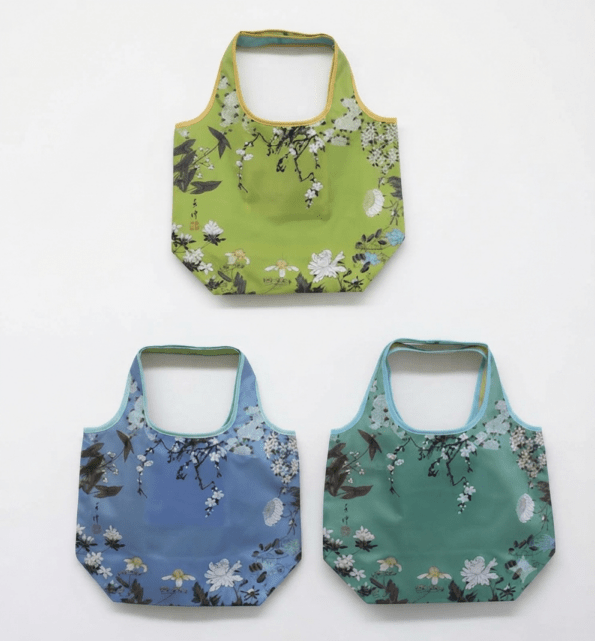
-
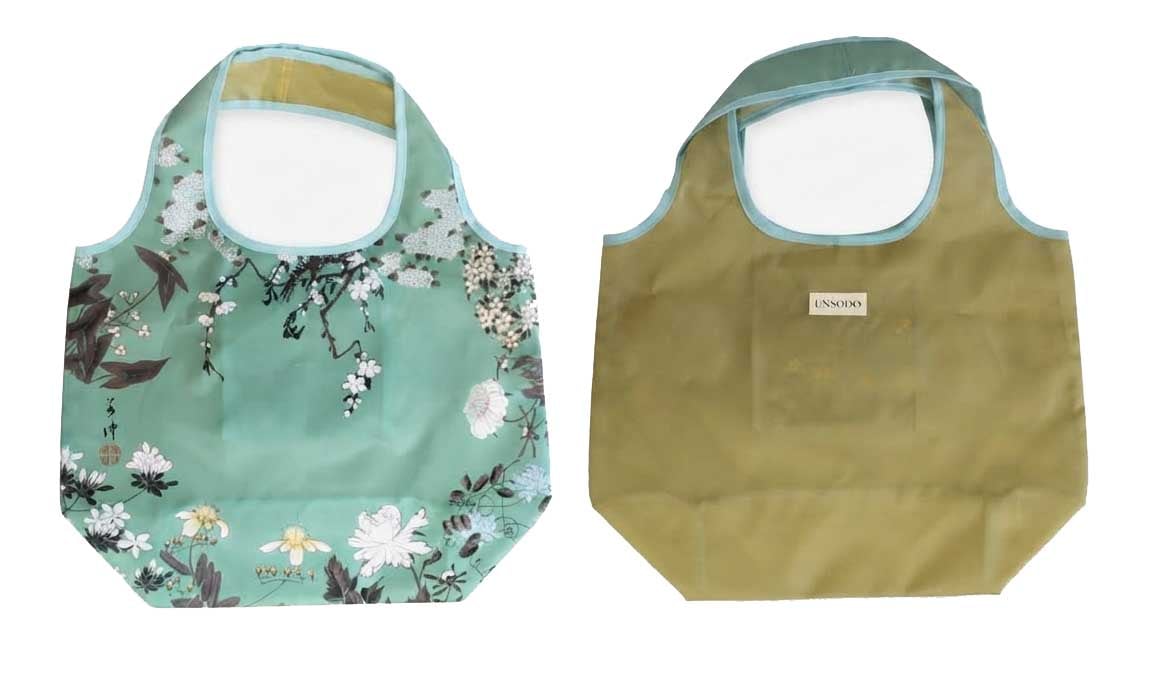
EB-04‐GR グリーン 表裏
サイズ:H300×W410×D160㎜ -
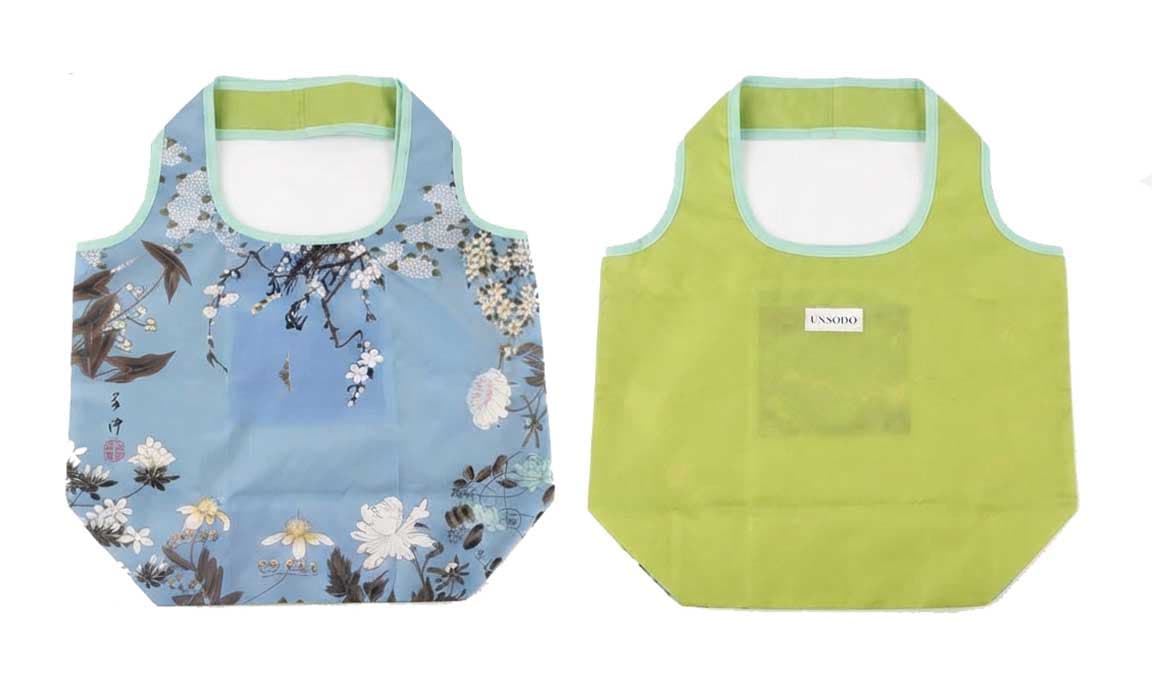
EB-05‐BL ブルー 表裏
サイズ:H300×W410×D160㎜ -
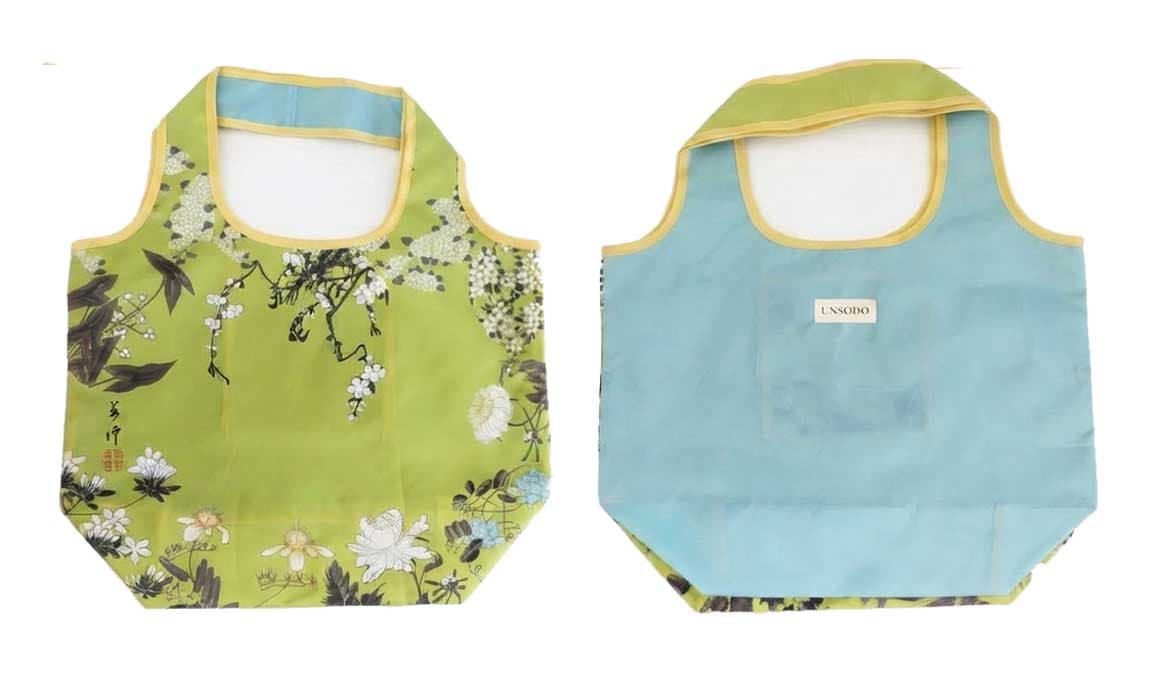
EB-06‐YE イエロー 表裏
サイズ:H300×W410×D160㎜
伊藤若冲 若冲画譜エコバッグ
25ポイント獲得!
送料について:商品6000円(本体)以上は送料無料
数量
- この商品について問い合わせる
- ご利用ガイド
- 会社概要
伊藤若冲
「若冲画譜」エコバッグ
Ito Jakuchu Eco Bag
京都・信行寺に伝わる、伊藤若冲が描いた百種類以上
の草花を配した天井絵「花卉天井図」。
その図案を収めた、明治期に芸艸堂から刊行された
木版和綴本 『若冲画譜』から、季節の花々を選び、
エコバッグに仕立てました。
若冲が描いた草花の姿を、現代の暮らしの中で楽しんで
いただけるアイテムです。
しっかりとしたマチがあるため、 日常のお買い物や
荷物の持ち運びにも使いやすいサイズ。
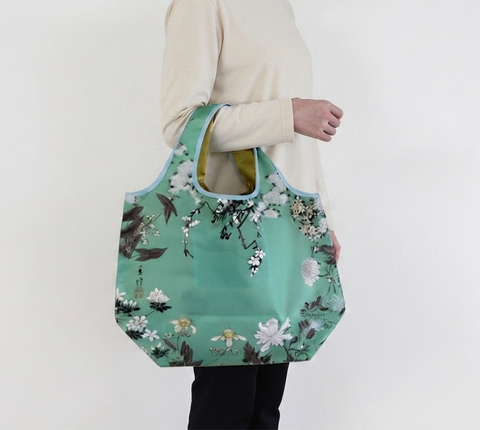
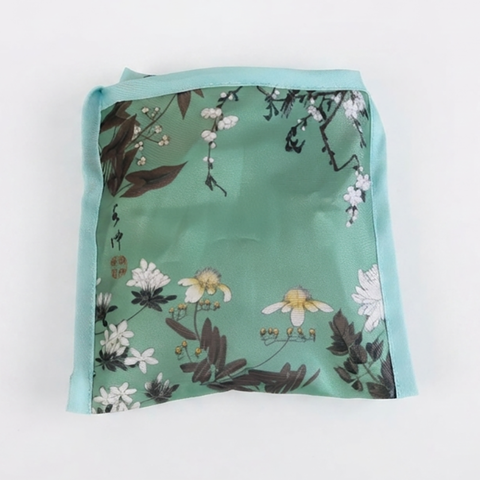
使わないときはコンパクトにまとめて持ち歩く
こともできます。
江戸時代に描かれた若冲の図案が、時代を越えて
現代の暮らしの中に新たな形で息づく――。
そんな楽しみも感じていただければと思います。
芸艸堂と『若冲画譜』
木版和綴本『若冲画譜』全四巻(壱・弐・参・四)
初版は明治23年に京都の五車楼が発行、版権が
芸艸堂に移り明治41年に芸艸堂から発行されました。
編集を手がけたのは、殖産興業の分野で大きな 功績
を残した近藤徳太郎です。
近藤はヨーロッパの織物を学び、日本の織物産業
におけるデザインの近代化にも力を注ぎました。
『若冲画譜』も、若冲の優れた草花の図案を後世に
伝えるだけでなく、当時の工芸やデザインに活かす
ことを意識して編まれたものと考えられます。
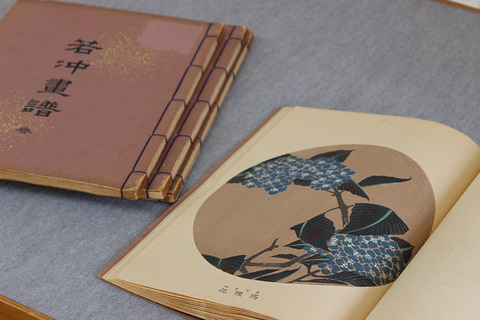
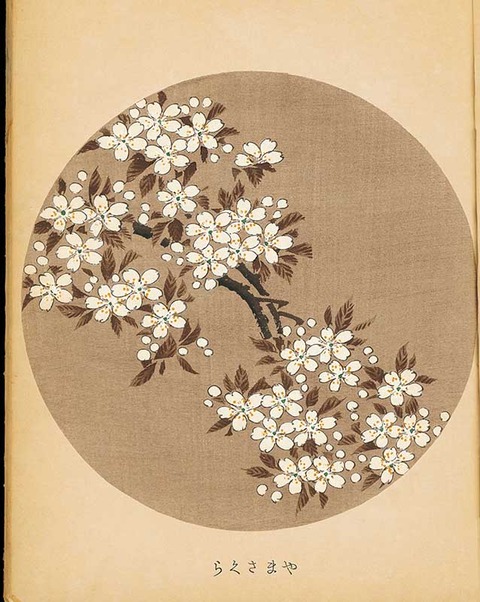
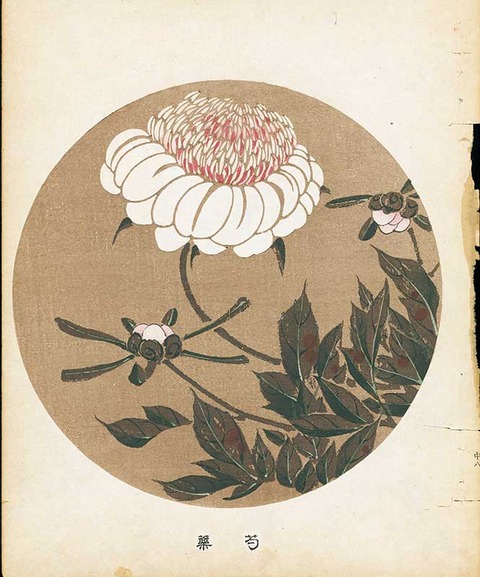
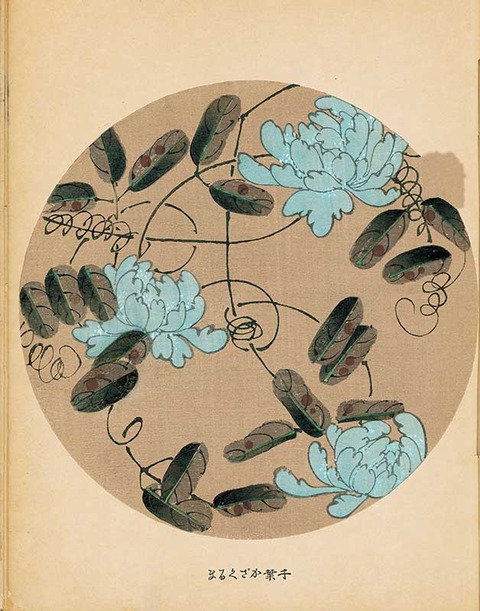
今回のエコバッグには、『若冲画譜』に収録された
草花の中から、 ヤマザクラ、シャクヤク、カザグルマ
など、季節を感じさせる 図案を選びました。
芸艸堂では現在も、こうした過去の出版物をもとに、
若冲の作品をさまざまな形でご紹介しています。
伊藤若冲(1716~1800)
京都・錦小路の青物問屋「桝屋」に生まれ。
23歳で青物問屋主人を継ぎ、そのかたわら狩野派
の絵師に学びました。その後、京都の寺院などに
所蔵される中国画の模写を続け、同時に身の回りの
野菜や草花、鳥虫類などを写生します。
70代半ば頃から京都深草の石峰寺に隠棲し、
観音堂に花卉167面の天井画を遺しました。
その後、廃仏毀釈により石峰寺・観音堂の
天井画が破棄されるが信行寺に寄贈され、
飾られた。
近藤徳太郎(1856~1920)
京都六角堂で生まれ。成績優秀により選ばれて
京都仏学校で学び、20歳で京都府フランス
勧業留学生となり、ヨーロッパ各国で研修し、
リヨン織物学校を卒業します。
帰国後京都府の技師を経て、新設の京都織物会社
に移りますが、恐慌による不況で経営は悪化、
近藤は責任を取って退社します。
その後、国や足利の地の強い要請により、
栃木県立工業学校の校長に赴任しました。
そして、大正から昭和にかけて隆盛を極めた
「足利本銘仙」の誕生と近代工業教育の発展に
生涯をささげました。
ITEM DETAIL
Ito Jakuchu
Jakuchu Gafu Eco Bag
At Shingyo-ji Temple in Kyoto are preserved ceiling paintings
known as the Kaki Tenjozu (Floral Ceiling Paintings),
created by Ito Jakuchu and featuring more than one hundred
varieties of flowers and plants.
For this eco bag, we selected seasonal floral designs from
Jakuchu Gafu, a woodblock-printed Japanese-bound book
published by Unsodo during the Meiji period (1868–1912),
which contains these designs.
The bag offers a way to enjoy Jakuchu’s depictions of flowers
and plants in contemporary everyday life.
Its generous gusset makes it a practical size for everyday shopping
and carrying belongings.
When not in use, it can be folded compactly and carried with ease.
A design created by Jakuchu in the Edo period (1603–1868)
takes on a new form and finds a place in modern everyday life,
transcending the passage of time.
We hope you enjoy this connection between Jakuchu’s art
and contemporary life.
Unsodo and Jaku-chu Gafu
Jaku-chu Gafu, a four-volume woodblock-printed
Japanese-bound book (Volumes I–IV), was first published
in Kyoto by Gosharo in 1890.
The publishing rights were later transferred to Unsodo,
which published the work in 1908.
The book was edited by Tokutaro Kondo, who made significant
contributions to the development of industry in Japan during
the Meiji period.
Kondo studied textile production in Europe and worked to
modernize design in Japan’s textile industry.
Jakuchu Gafu is thought to have been compiled not only
to preserve Jakuchu’s exceptional floral designs for future
generations, but also with an awareness of their potential use
in crafts and design of the time.
For this eco bag, we selected seasonal designs from the flowers
and plants featured in Jaku-chu Gafu, including wild cherry blossoms
(yamazakura), peonies, and clematis.
Unsodo continues to introduce Jakuchu’s works in various forms,
drawing on its historical publications and collections.
Ito Jakuchu (1716–1800)
Born into the Masuya family, a wholesale greengrocery business
At the age of 23, he succeeded his father as head of the family business while studying painting under artists of the Kano school.
He went on to make numerous copies of Chinese paintings held
at temples and other institutions in Kyoto, while also closely
observing and sketching familiar subjects such as vegetables,
flowers, birds, and insects.
From around his mid-seventies, Jakuchu lived in seclusion at Sekiho-ji
Temple in Fukakusa, Kyoto, where he created 167 floral ceiling panels
for the temple’s Kannon Hall.
The ceiling paintings were later removed from Sekiho-ji during
the anti-Buddhist movement of the Meiji period (haibutsu kishaku).
They were subsequently donated to Shingyo-ji Temple,
where they were installed and have been preserved.
Tokutaro Kondo (1856–1920)
Born in the area of Rokkakudo in Kyoto.
Selected for his academic excellence, he studied
at the Kyoto Buddhist School.
At the age of 20, he was selected as a student sponsored
by Kyoto Prefecture to study industrial development in France.
He traveled throughout Europe for further training
and graduated from the Lyon Textile School.
After returning to Japan, he worked as an engineer
for Kyoto Prefecture before joining the newly established
Kyoto Orimono textile company.
When the company’s business deteriorated during
an economic depression, Kondo resigned, taking responsibility
for the situation.
He later became principal of Tochigi Prefectural Industrial School
at the strong request of the national government
and local authorities in Ashikaga.
He devoted the remainder of his career to the development
of modern industrial education and to the birth and growth
of Ashikaga Hon-meisen, a textile that flourished
from the Taisho through the early Showa period.
RELATED PRODUCTS
-
 伊藤若冲 『若冲画帖』 エコバッグ
¥2,750(税込) -
 笠松紫浪 カレンダー 2027
¥1,650(税込) -
 浮世絵ブックマーク Ukiyoe Bookmark
¥220(税込) -
 三つ折りクリアファイル 【鳥獣戯画】
¥440(税込) -
 三つ折りクリアファイル 【若冲 樹花鳥獣図屏風 右隻 左隻】
¥440(税込) -
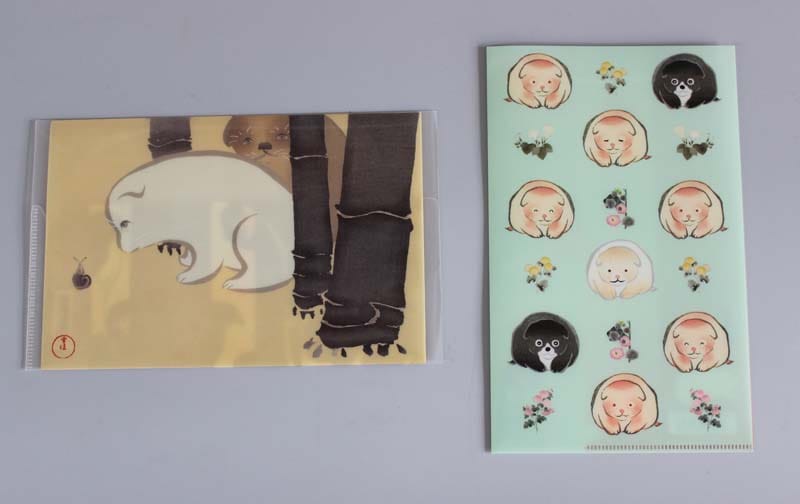 三つ折りクリアファイル 【仔犬】
¥440(税込) -
 陣羽織葉書セット Jimbaori surcoat design
¥1,320(税込) -
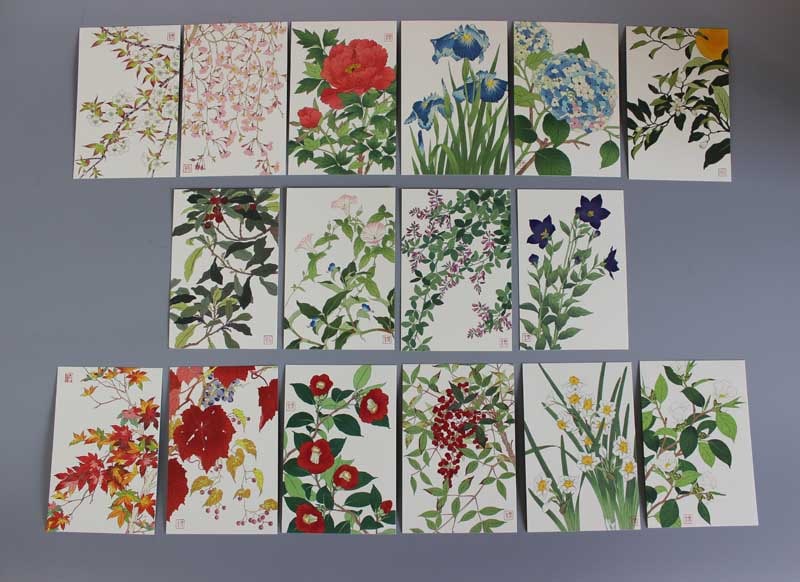 花はがきセット Flower postcardset
¥2,640(税込) -
 神坂雪佳 はがきセット SEKKA POST CARD SET
¥3,630(税込) -
 三つ折りクリアファイル 北斎【赤富士・浪】
¥440(税込) -
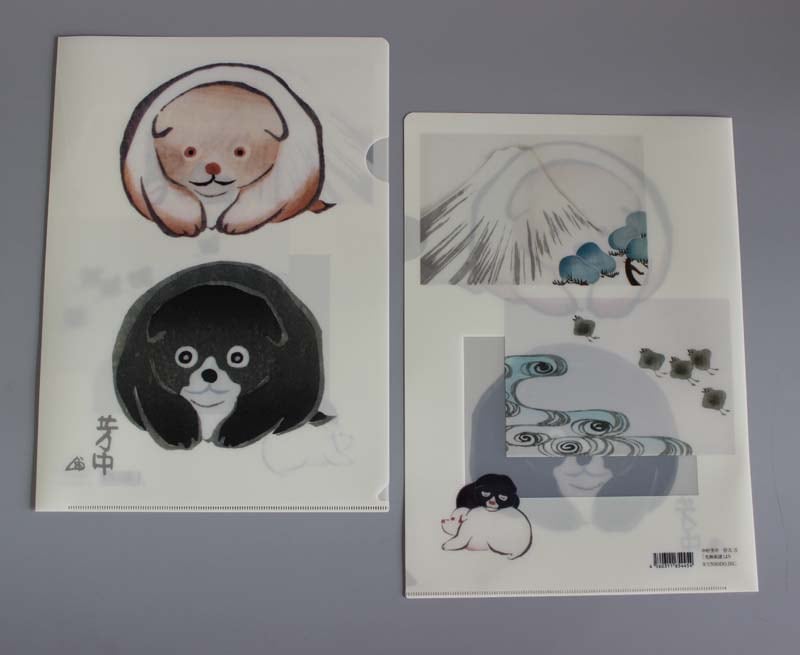 A4クリアファイル 若冲 広重 芳中
¥330(税込) -
 浮世絵おりがみ UKIYOE ORIGAMI
¥880(税込)


